Ok

By continuing your visit to this site, you accept the use of cookies. These ensure the smooth running of our services. Learn more.

america

  • The new Evangelical Power

    7149V2HNKaL._SL1500_.jpg"Evangelicals or evangelists? Those discussed in this book are not the four evangelists, Matthew, Mark, Luke, and John, but rather the evangelicals, the believers who identify with this branch of Protestantism.

    A vibrant branch, very vibrant indeed. We see them in our streets singing with fervor, we read their graffiti “Jesus saves” in our cities. Who are they?

    Where do they come from? What do they want?"

    In 504 pages, this book offers an in-depth historical and sociological analysis of the “evangelical phenomenon,” questioning the nature of the “new power” they represent:

    City of God, or God in the city?

    Theocratic temptation, or democratic ingredient?

    BIG THANKS to GRASSET publishers for their trust.
    Link to the publisher

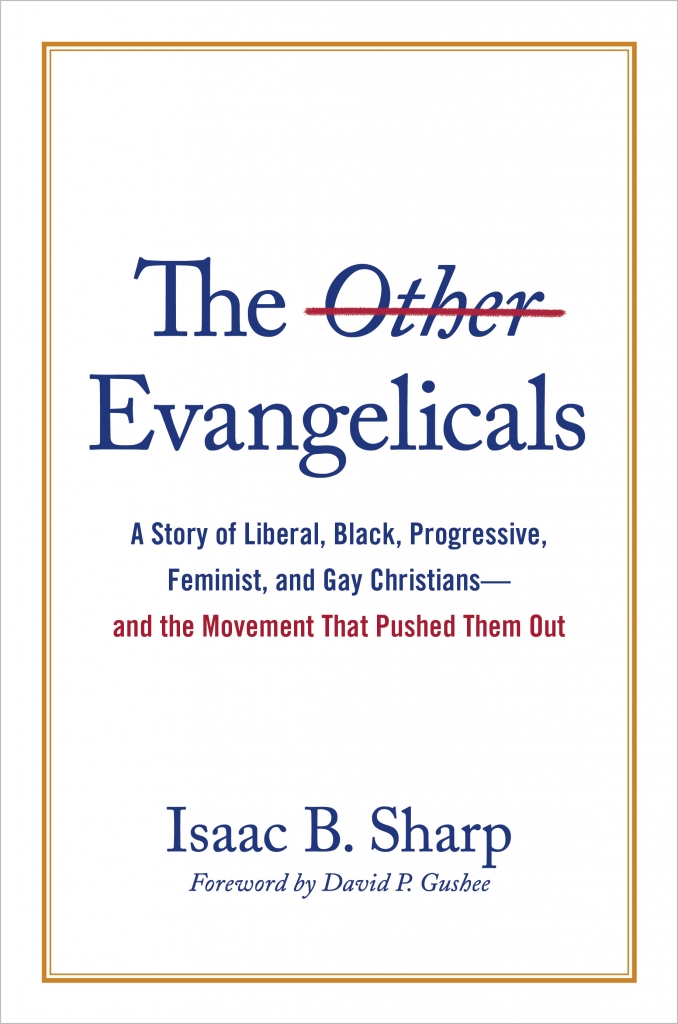
  • The Other Evangelicals (Eerdmans, 2023)

    For many, the answer is "white," "patriarchal," "conservative," or "fundamentalist"--but as Isaac B. Sharp reveals, the "big tent" of evangelicalism has historically been much bigger than we've been led to believe. In The Other Evangelicals, Sharp brings to light the stories of those twentieth-century evangelicals who didn't fit the mold, including Black, feminist, progressive, and gay Christians.

    9780802881755.jpgThough the binary of fundamentalist evangelicals and modernist mainline Protestants is taken for granted today, Sharp demonstrates that fundamentalists and modernists battled over the title of "evangelical" in post-World War II America.

    In fact, many ideologies characteristic of evangelicalism today, such as "biblical womanhood" and political conservatism, arose only in reaction to the popularity of evangelical feminism and progressivism.


    Link

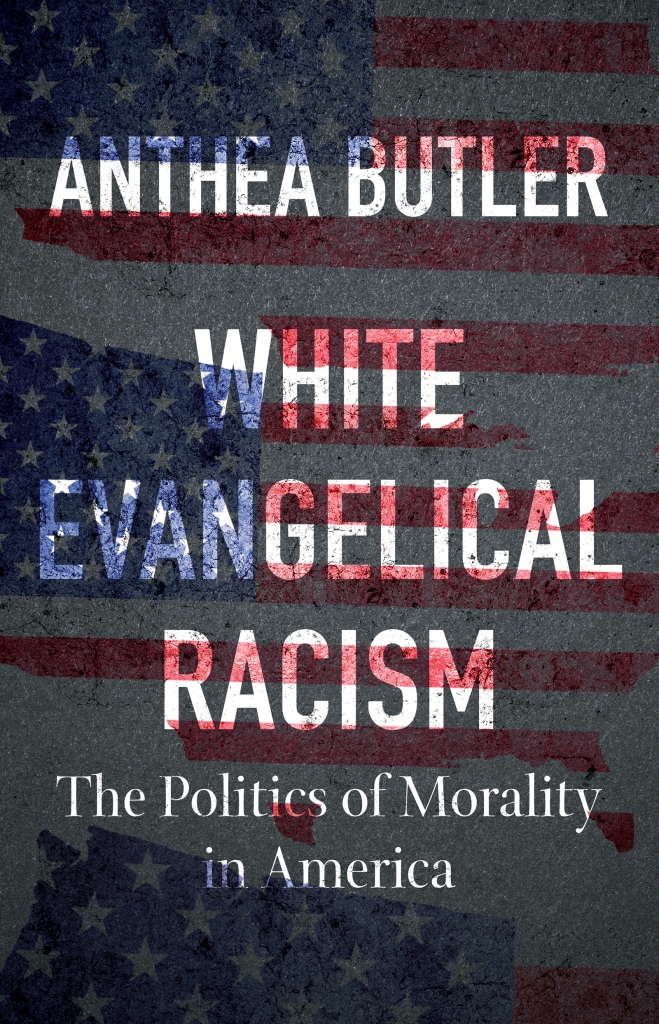
  • White Evangelical Racism: The Politics of Morality in America

    front_cover.jpgThe American political scene today is poisonously divided, and the vast majority of white evangelicals play a strikingly unified, powerful role in the disunion. These evangelicals raise a starkly consequential question for electoral politics: Why do they claim morality while supporting politicians who act immorally by most Christian measures? In this clear-eyed, hard-hitting chronicle of American religion and politics, Anthea Butler answers that racism is at the core of conservative evangelical activism and power.

    A very much needed scholarly book to put in historical perspective White Evangelical's contemporary positioning.

    Link.